
Industries and Operating Models
Industries
Explore industry-specific solution paths designed for practical execution across SME, mid-market, and enterprise environments.

Industry strategy
Show buyers that the platform understands channel realities, not just generic supply workflows.
Each industry path should clarify the service model, risk pattern, and execution trade-offs that matter most in that environment.
What these pages should answer
Where does service risk build first?
Highlight the core pressure points for each sector before describing the response model.
How does the operating model differ by channel?
Explain the mix between national accounts, local outlets, institutions, or dealer networks.
What outcome should a buyer expect?
Tie each blueprint to service reliability, inventory posture, and governance quality.
Solutions by industry
Industry-specific blueprints for practical execution.

Retail
Run a dual marketing model that serves modern trade key accounts and independent neighborhood stores with one coordinated supply engine.

FMCG
Coordinate brand-led demand creation and distributor-led route-to-market execution through a dual marketing FMCG operating model.

Manufacturing
Support a dual marketing manufacturing strategy by synchronising OEM/key-account fulfilment and aftermarket channel replenishment.
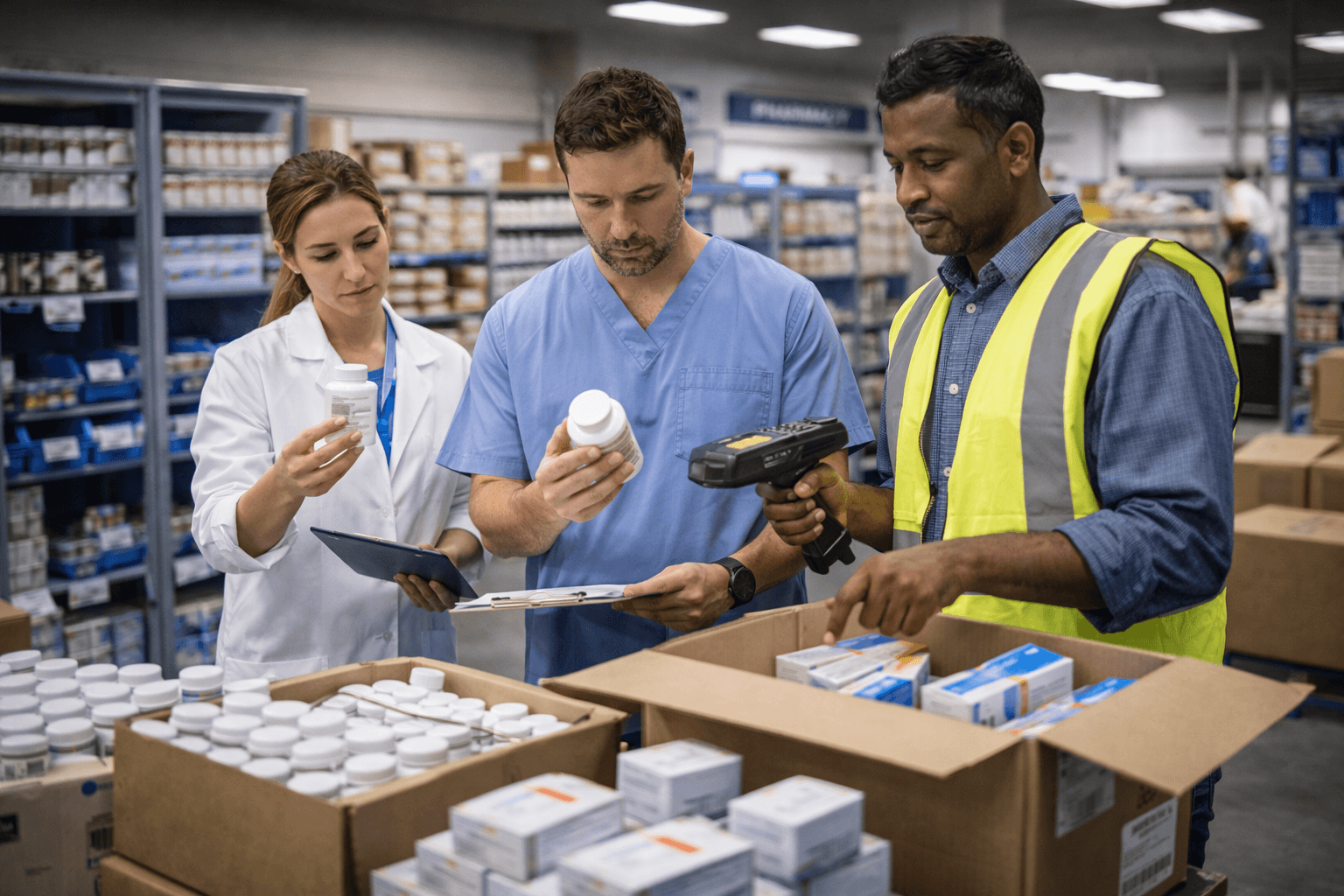
Pharma
Execute a dual healthcare marketing model that supports institutional tenders and retail pharmacy demand without compromising compliance.
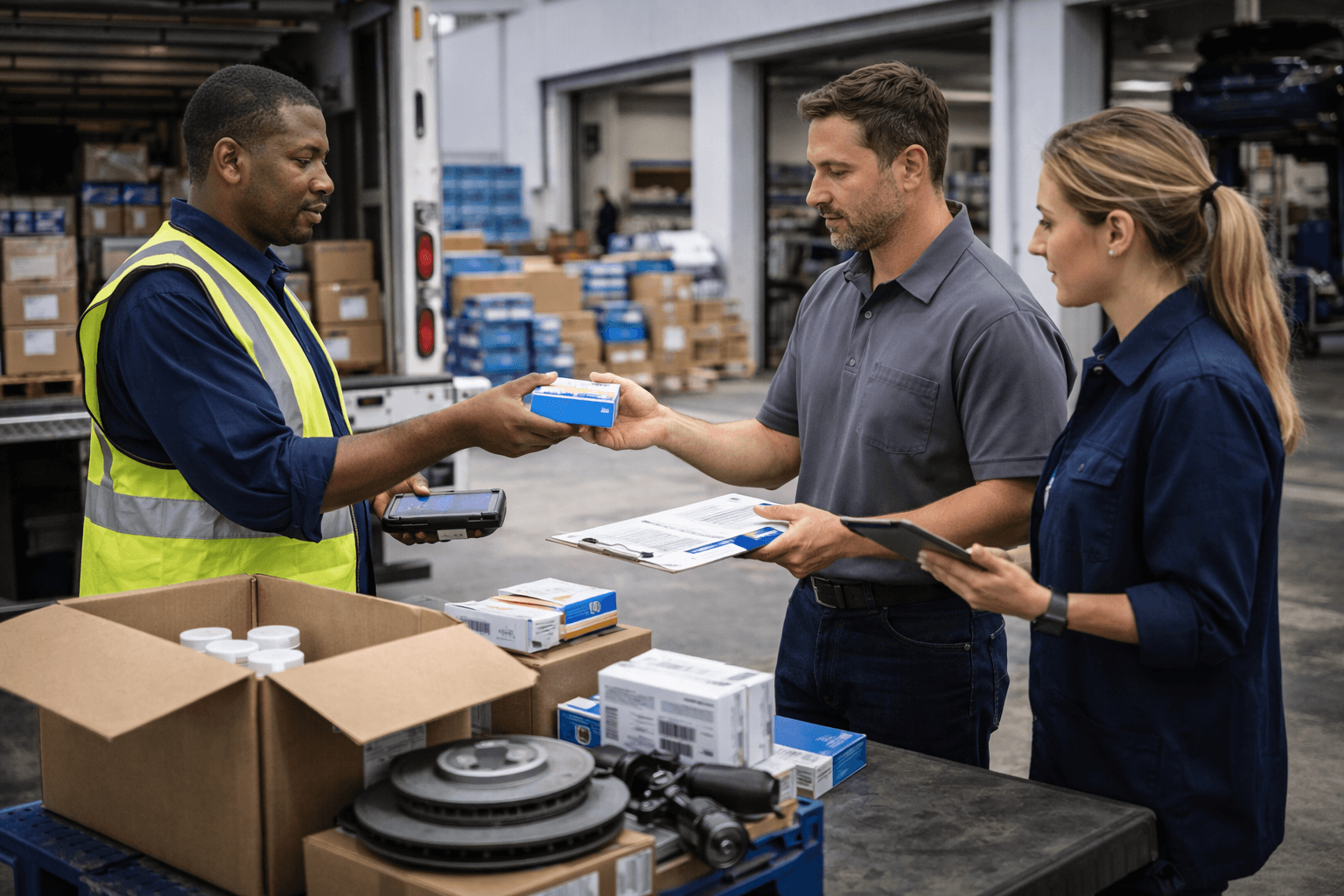
Automotive
Enable a dual automotive go-to-market motion across OEM production demand and dealer/aftermarket service demand.
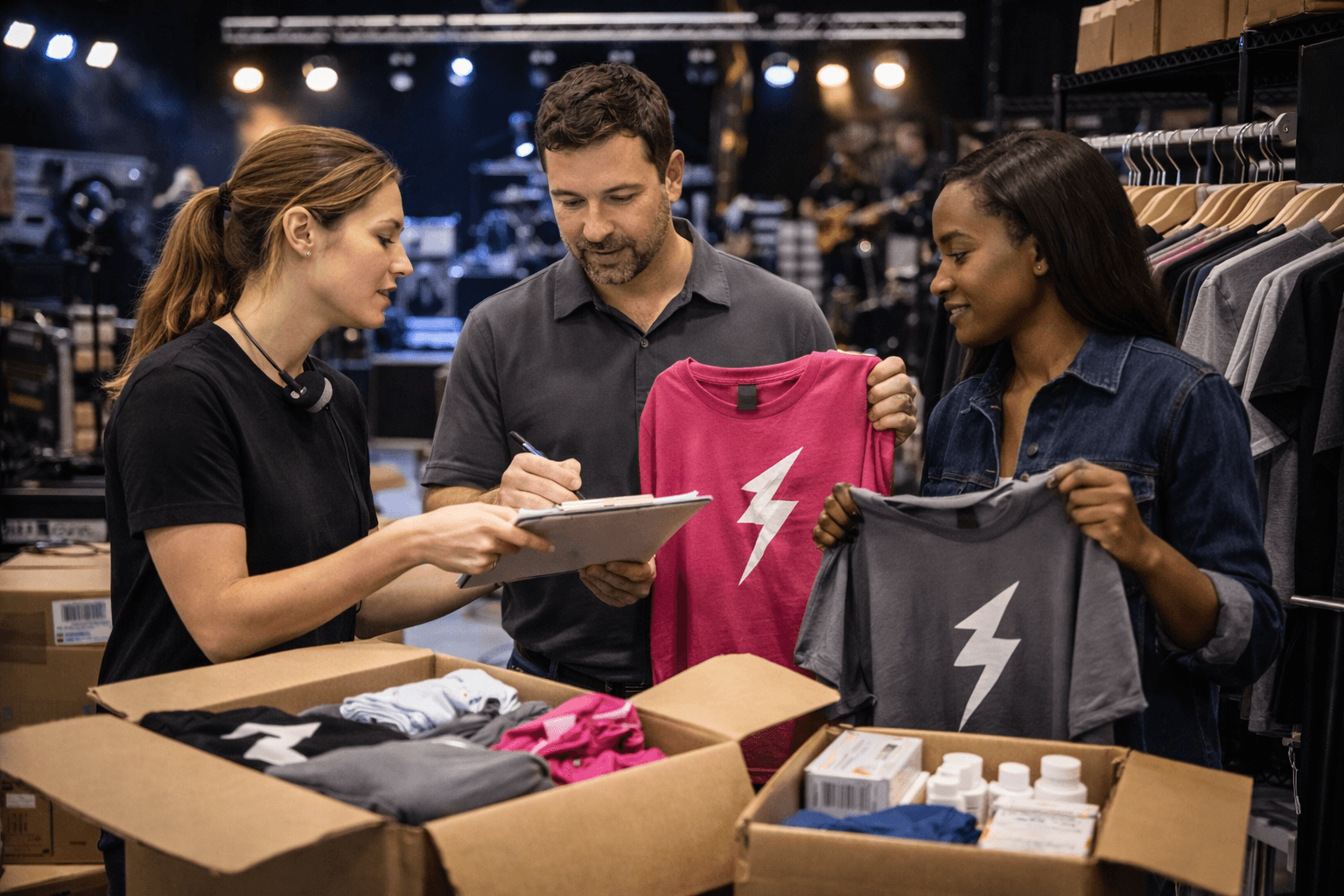
Music and Entertainment
Operate a dual marketing entertainment model that unifies B2B venue/event distribution and direct-to-fan retail merchandising.

Agriculture
Run a dual agriculture marketing strategy that serves large institutional buyers and fragmented agro-dealer networks from one system.